Friends · · 2 min read
Transportation Has Always Been Part of Friends of Scenic 30A's Mission
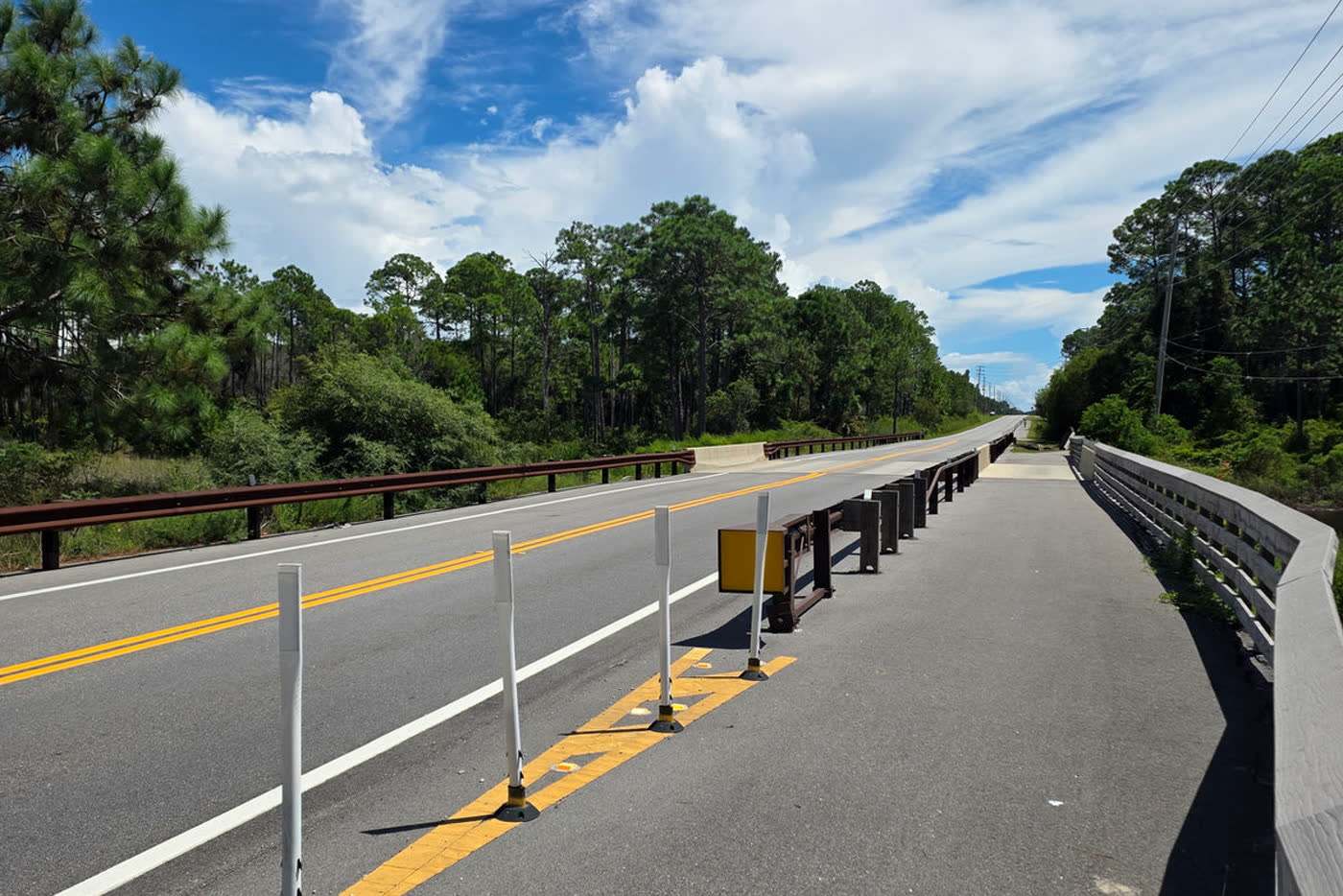
When people hear the name Friends of Scenic 30A, they may naturally think first about preservation—protecting the natural beauty, communities and character that make 30A special.
But transportation planning has also been part of Friends' mission for many years.
That makes sense. Scenic 30A is both a treasured scenic corridor and a working transportation network used every day by residents, visitors, businesses, bicyclists and pedestrians.
Protecting the character of 30A and improving the way people move through it have always been connected.
A Longstanding Role in Transportation Planning
Friends' historical Action Plan specifically identified Transportation Planning and Safety as one of the organization's major areas of work.
The plan called for Friends to participate in regional transportation planning, including maintaining representation on the Transportation Planning Organization's Citizen Advisory Committee and coordinating with Walton County on recommendations from the Scenic 30A Traffic Study.
Those recommendations included improvements involving important intersections along Scenic 30A and its north-south connecting roads.
That history is important because transportation issues facing 30A aren't new. What has changed is their scale.
Making 30A Safer for People Walking and Biking
Transportation isn't just about cars.
Friends has long advocated for improvements to the Timpoochee Trail and bicycle and pedestrian infrastructure along the corridor.
Historical priorities included safer pedestrian crossings, bicycle racks at public beach accesses, improved directional signage, trail wayfinding and better maintenance and visibility along trails.
These seemingly small improvements can make an enormous difference in a corridor where pedestrians, bicycles and automobiles often interact within a limited amount of space.
Connectivity Matters
Friends' historical transportation goals went beyond Scenic 30A itself.
The organization's Action Plan specifically supported trail development and funding for additional trails along Scenic 30A and connector roads.
That reflects an important principle: Scenic 30A cannot be considered in isolation.
The way people reach 30A from US 98, move between communities, access businesses and beaches, respond to emergencies, and travel by bicycle or on foot all affect conditions on the scenic corridor itself.
Good transportation planning therefore requires looking at the broader network—not simply the pavement within the 30A right-of-way.
Growth Makes the Conversation More Important
South Walton has changed significantly since Scenic 30A first received its scenic designation.
More residents, more visitors and more development have placed additional demands on a transportation network with limited capacity.
The easy response would be to view transportation and preservation as competing interests.
Friends believes they should instead be considered together.
Transportation solutions should improve safety, connectivity and mobility while respecting the natural resources, communities and scenic character that make 30A different from an ordinary roadway.
Planning for the Future
There will not be one project that solves every transportation challenge facing Scenic 30A.
Solutions will likely involve a combination of better pedestrian and bicycle infrastructure, safer intersections and crossings, improved trail connections, thoughtful parking strategies, roadway maintenance, regional connectivity and long-term transportation planning.
Friends of Scenic 30A intends to continue participating in those conversations.
Because protecting Scenic 30A isn't simply about protecting how the corridor looks.
It's also about thoughtfully planning how it works.